
Asbestos Testing & Sampling,Anglesey & North Wales
Impartial results you can act on, not a sales pitch for more work
Sampling by P402-qualified surveyors, analysis by an independent laboratory
10 years
in the asbestos industry
UKATA trained
face-fit tested operatives
P402
qualified surveyors
£2m
public liability insurance
5.0 on Yell
from local customers
Overview
What asbestos testing actually involves
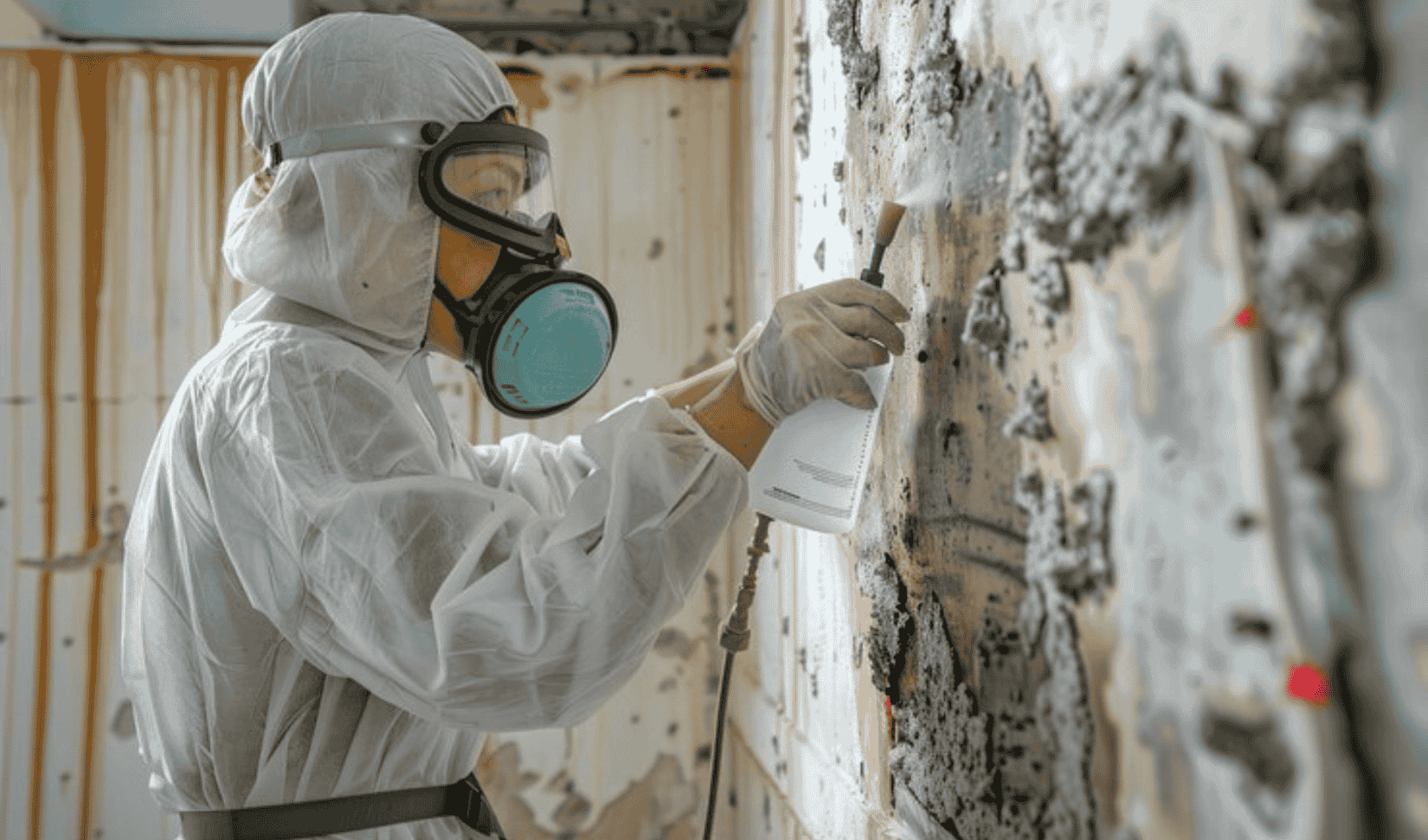
When people ask about "asbestos testing", they usually mean one of two things: having a suspect material sampled to find out if it contains asbestos, or having the air tested after removal work to confirm a space is safe to re-occupy. Evergreen Group (Asbestos) Ltd handles the first part directly, Evergreen Group's P402-qualified surveyors take the samples on site, following the correct protective procedures so nothing is disturbed unnecessarily.
The second part, laboratory analysis of samples and air testing for clearance or reassurance, is carried out by an independent analytical contractor, not an in-house lab. This is a deliberate choice, not a limitation. An external laboratory with no stake in the removal work gives you a result that hasn't been influenced by the person who took the sample or carried out the job, which matters if you ever need to rely on that paperwork for a mortgage, insurance claim, or dispute.
Most testing requests come from homeowners who've spotted a textured ceiling coating, old floor tiles, a garage roof sheet, or pipe lagging during renovation work and want to know what they're dealing with before they touch it. Landlords and small businesses also use testing to settle a question before a refurbishment project starts, rather than guessing and hoping.
Because the sampling and the lab analysis are kept separate, with different people responsible for each stage, you get a cleaner answer. Evergreen Group's surveyors identify and sample; the independent contractor analyses and reports. There's no in-house lab trying to confirm its own removal quote.
Who it's for
- Homeowners who've found a suspect material during DIY or renovation
- Landlords needing to confirm material type before letting works go ahead
- Anyone who wants clearance or reassurance air testing after removal work
- Buyers or sellers wanting clarity before a survey condition is signed off
- Businesses planning small refurbishment work in an older building
- Anyone who disturbed a material by accident and needs to know what it was
When you need it
- Before drilling, sanding, or removing a suspect material yourself
- After accidental disturbance of textured coatings, tiles, or pipe lagging
- Following removal work, to confirm the air is clear before re-occupying a room
- When a survey report flags a presumed material that needs confirming
- Before a refurbishment or renovation project starts
- When a mortgage lender, solicitor, or insurer asks for written confirmation
The risk
Why guessing instead of testing is a costly habit
Asbestos-containing materials look ordinary. There's no shortcut that lets you tell by eye, which is exactly why so many problems start with someone assuming rather than checking.
Fibre release from disturbance
Drilling, sanding, snapping, or ripping out a material that turns out to contain asbestos releases fibres into the air of an occupied home or workplace, with no way to recall them afterwards.
Invalid or incomplete paperwork
A sample taken without the right chain of custody, or analysed by whoever also did the removal, can be challenged later by a lender, insurer, or buyer's solicitor.
Wasted renovation spend
Starting refurbishment work before confirming a material is clear can mean stopping mid-job, paying contractors to stand idle, and redoing work once the result comes back.
Common mistakes we see
- Assuming a material is "probably fine" because the building is a certain age
- Taking a sample yourself without the right protective procedure
- Using a lab connected to the same company doing the removal
- Skipping air testing after removal because the room "looks clean"
- Not keeping the paperwork once results come back
- Disturbing more of the material while trying to get a sample
Our process
How the job runs, step by step
- 01
Call or enquire
Describe the material and its location; Evergreen Group can usually tell you quickly whether sampling is worthwhile or a full survey makes more sense.
- 02
Site visit and sampling
A P402-qualified surveyor visits, takes a minimal, controlled sample using correct protective procedure, and seals the area.
- 03
Independent laboratory analysis
The sample goes to an independent analytical contractor for identification, kept entirely separate from any removal recommendation.
- 04
Results and written report
You receive a clear written result confirming what the material is or isn't, with next steps explained in plain terms.
- 05
Air testing if required
For clearance after removal, or reassurance testing for occupants, air testing is arranged through the same independent contractor before the space is signed off.
What you get
Why it's worth doing properly
Impartial results
Sampling and lab analysis are kept separate, so the result isn't influenced by whoever might do the removal work.
No guessing, no delay
A quick site visit gets a sample moving to the lab instead of weeks of uncertainty holding up a renovation.
Paperwork that stands up
Written results from an independent contractor hold weight with lenders, insurers, and solicitors.
Avoid wasted spend
Confirming the material first means contractors aren't booked, paid, and sent home when work has to stop.
Safer for occupants
Minimal, controlled sampling protects the rest of the building from unnecessary disturbance.
Clear next steps
Whatever the result, you get a plain-English explanation of what it means and what to do next.
In detail
How sampling and analysis work in practice
A closer look at the materials typically tested, the methods used, and how residential and commercial jobs differ.
Materials commonly sampled
Most testing requests relate to a handful of common materials found in older North Wales and North West England properties.
- Textured ceiling and wall coatings (e.g. Artex)
- Floor tiles and bitumen-backed flooring
- Pipe lagging and boiler insulation
- Roof sheets and soffit boards
- Cladding, mastics, and rainwater goods
- Suspected asbestos insulating board (AIB) sections
Sampling methods
Evergreen Group's P402 surveyors use a minimal-disturbance technique: wetting the material where appropriate, taking the smallest viable sample, and sealing the area immediately afterwards to stop fibres spreading. Each sample is bagged, labelled, and logged before it leaves site, so there's a clear record of exactly where it came from.
Material analysis vs air testing
Material analysis identifies whether a solid sample, a piece of tile, coating, or board, contains asbestos and which type. Air testing measures fibre concentration in the air itself, typically used for clearance after removal work or for reassurance where occupants are concerned about residual risk. Both are carried out by the same independent analytical contractor, keeping the process consistent and separate from any removal recommendation.
When testing follows a survey
Management, refurbishment, and refurbishment/demolition surveys often presume a material is asbestos-containing based on appearance and age, then recommend sampling to confirm. Testing in this context closes the loop on a survey report rather than replacing one.
Residential vs commercial testing
Homeowners typically need a single material confirmed before DIY or renovation work. Landlords and small businesses more often need testing across several materials as part of planned refurbishment, or air testing to clear a space for staff and tenants to return to after removal work elsewhere on the property.
North Wales property context
Many homes and farm buildings across Anglesey, Gwynedd, Conwy, Denbighshire, and Flintshire were built or extended between the 1950s and 1990s, the peak period for asbestos-containing materials in construction. Outbuildings, garages, and agricultural sheds with corrugated roof sheets are a particularly common source of testing enquiries in this area.
FAQ
Questions people ask
Straight answers. If yours isn't here, call Evergreen Group.
Related services
How much does asbestos testing cost?
+
There's no fixed figure, cost depends on how many materials need sampling and whether air testing is also required. Get in touch for a quote tailored to your situation.
How long does it take to get results back?
+
A site visit can usually be arranged quickly, and the independent laboratory turns results around promptly once the sample arrives. Timescales depend on the lab's workload rather than Evergreen's availability, so it's worth asking at the time of booking.
Do you run your own laboratory?
+
No. Evergreen Group's P402 surveyors take the samples, but material analysis and air testing are carried out by an independent analytical contractor. Keeping sampling and analysis separate means the result isn't influenced by the company that might go on to do any removal work.
Is the result legally valid for a mortgage or insurance claim?
+
Written results from an independent analytical contractor, with a clear chain of custody from sampling to analysis, are generally what lenders, solicitors, and insurers expect to see. It's worth checking the specific requirement with whoever is asking for it.
What happens if the material does contain asbestos?
+
You'll get a plain-English explanation of the material, its condition, and the options, which might be leaving it undisturbed and managed, or arranging removal. Non-licensed removal can be carried out directly; licensed removal can be arranged through trusted specialist contractors.
Do I need air testing after every removal job?
+
Not always. Smaller non-licensed jobs are often concluded with a statement of cleanliness. Clearance or reassurance air testing through the independent contractor is more commonly used after larger or notifiable non-licensed work, or where occupants want extra confidence.
Can you test an occupied home or workplace?
+
Yes. Sampling is designed to be minimally disruptive, and the affected area is sealed off during the process so the rest of the property stays usable.
Is emergency testing available if a material gets disturbed by accident?
+
Out-of-hours sampling is available for emergency asbestos disturbances, outside the usual Monday to Friday 6am–6pm and weekend 9am–4pm hours. Get in touch straight away if something has been disturbed.
Do you cover testing outside Anglesey?
+
Yes, testing is carried out across Gwynedd, Conwy, Denbighshire, Flintshire, Ceredigion, Liverpool, Shropshire, Cheshire, and more widely across Wales, the north of England, and the Midlands.
Get a material confirmed before you touch it
Book a sample visit with a P402-qualified surveyor and get an impartial result from an independent laboratory. Get in touch for a quote.
“Local company who turned up as planned to give me an estimate. Then on the collection day, they turned up as planned (unlike other local companies) and removed my asbestos panels from a garage roof - thanks! Would highly recommend.”